 Web Development
 APP Development
 CRM Development
 Digital Transformation
 Generative AI
 QA Testing & Automation
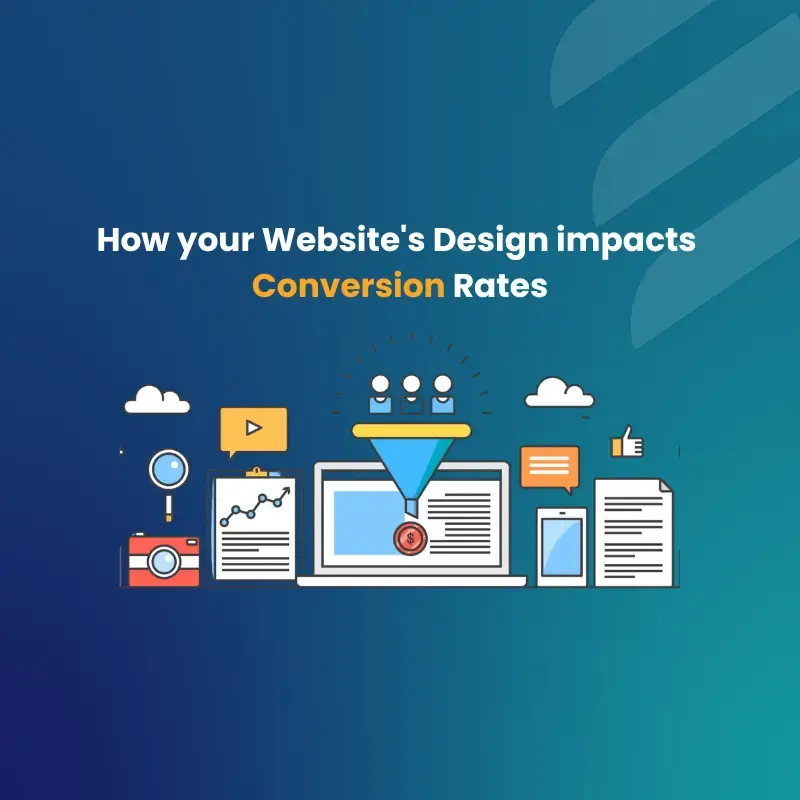
Your website’s design plays a powerful role in shaping how visitors interact with your brand. From the moment they land on your site, elements like layout, colors, typography, navigation, and overall visual appeal influence their trust, engagement, and willingness to take action. A well-designed website not only creates a strong first impression but also guides users smoothly toward higher conversions.
By optimizing your website design for clarity, usability, and visual hierarchy, you strengthen trust, improve user experience, and significantly boost your conversion rate.
1: First Impressions (Trust in < 3 Seconds)
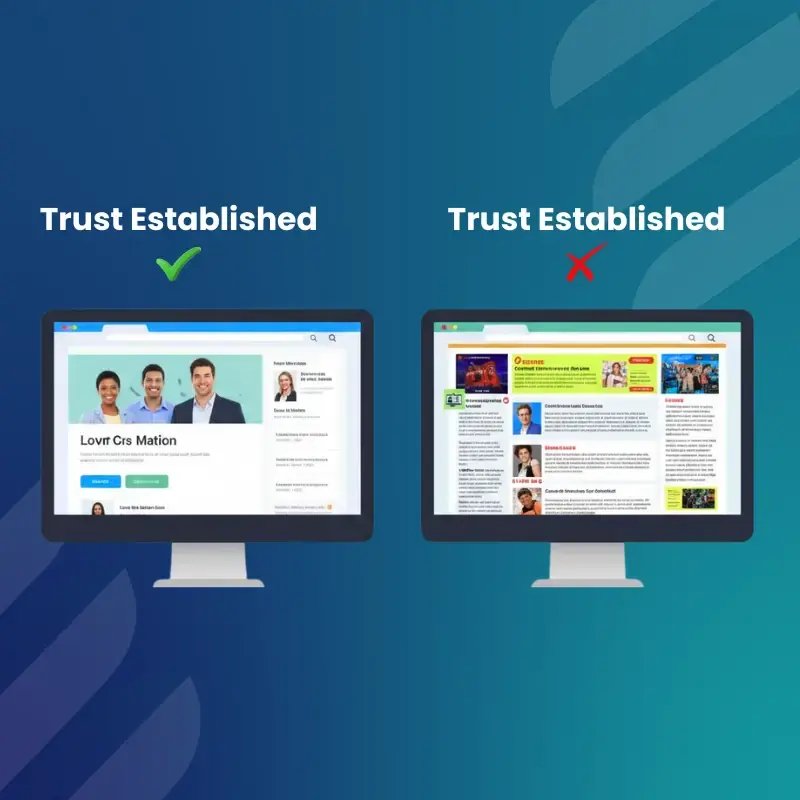
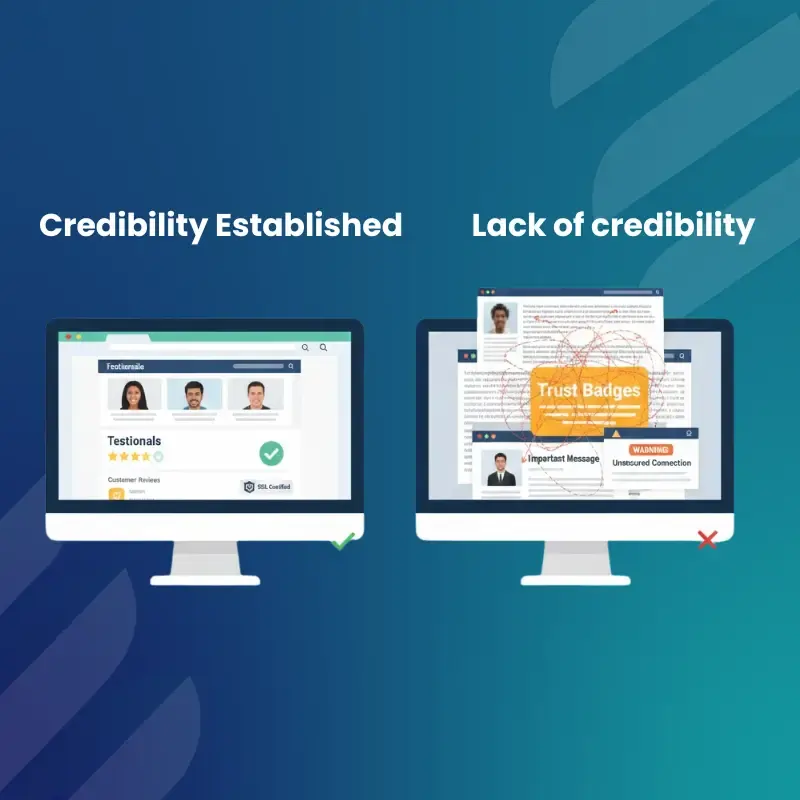
A website’s design creates an instant first impression, often in under 3 seconds, which influences whether users stay or bounce. A clean, modern, and professional layout increases trust, credibility, and user engagement, while outdated designs can instantly hurt conversion rates.
Consistent branding, intuitive UX, fast loading speed, and a visually clear layout help visitors feel confident in your business. When trust is established early, the chances of generating leads, sales, and conversions increase significantly.
Let’s make your website smarter, faster, and more conversion-focused — explore our Web Development Services.
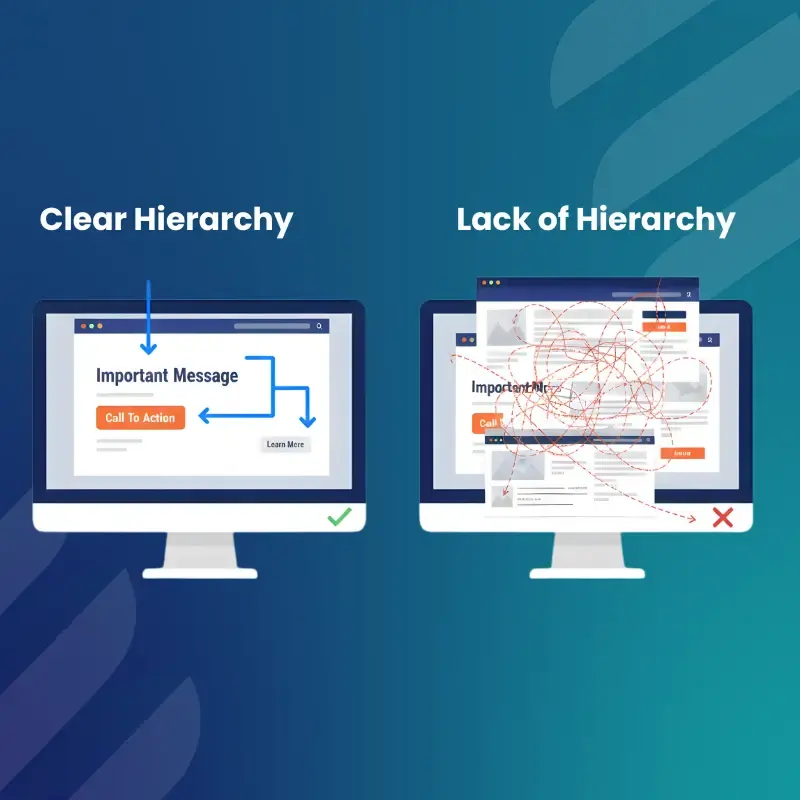
2. Visual Hierarchy & Attention Flow
An effective website design uses visual hierarchy to guide users’ attention toward the most important elements—your value message, key content, and calls-to-action. By using proper spacing, contrast, color balance, and structured layouts, you naturally direct visitors toward the actions that matter.
A strong hierarchy ensures users instantly understand where to look, what to read, and what to do next, reducing confusion and improving conversion rates. When the design lacks clear structure, visitors may feel overwhelmed, miss important information, and drop off before taking action.
3: User Experience (UX) & Ease of Use
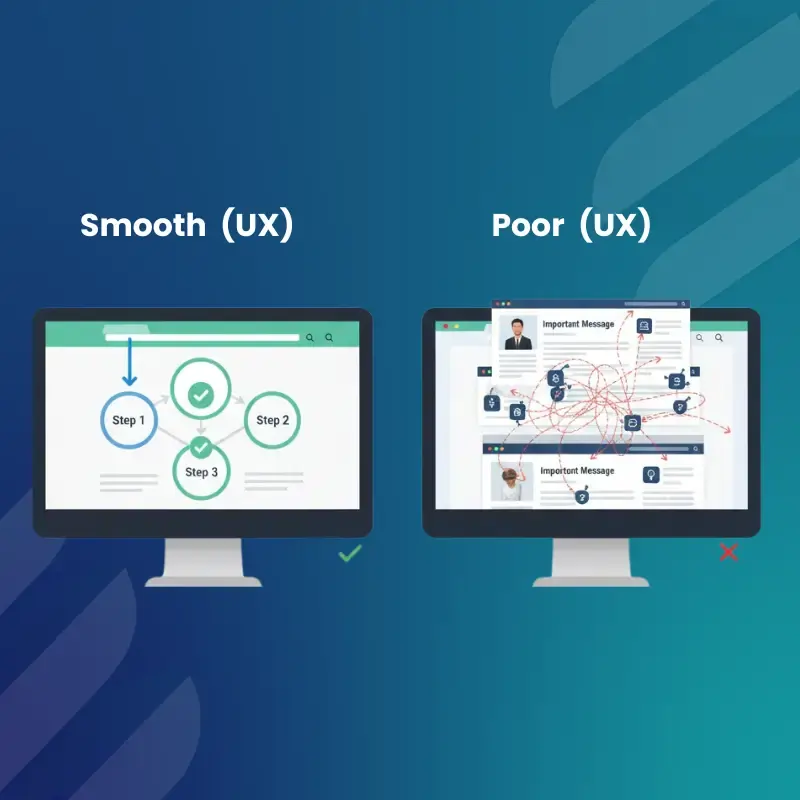
A smooth, intuitive user experience reduces friction and makes conversion easier. Simple navigation, clear structure, and minimal steps help visitors take action, boosting engagement, conversions, and satisfaction.
At QM Logics, we design user-centric interfaces that guide your audience naturally. From responsive layouts to interactive elements, every detail enhances usability, accessibility, and satisfaction, fostering repeat visits, trust, and long-term loyalty.
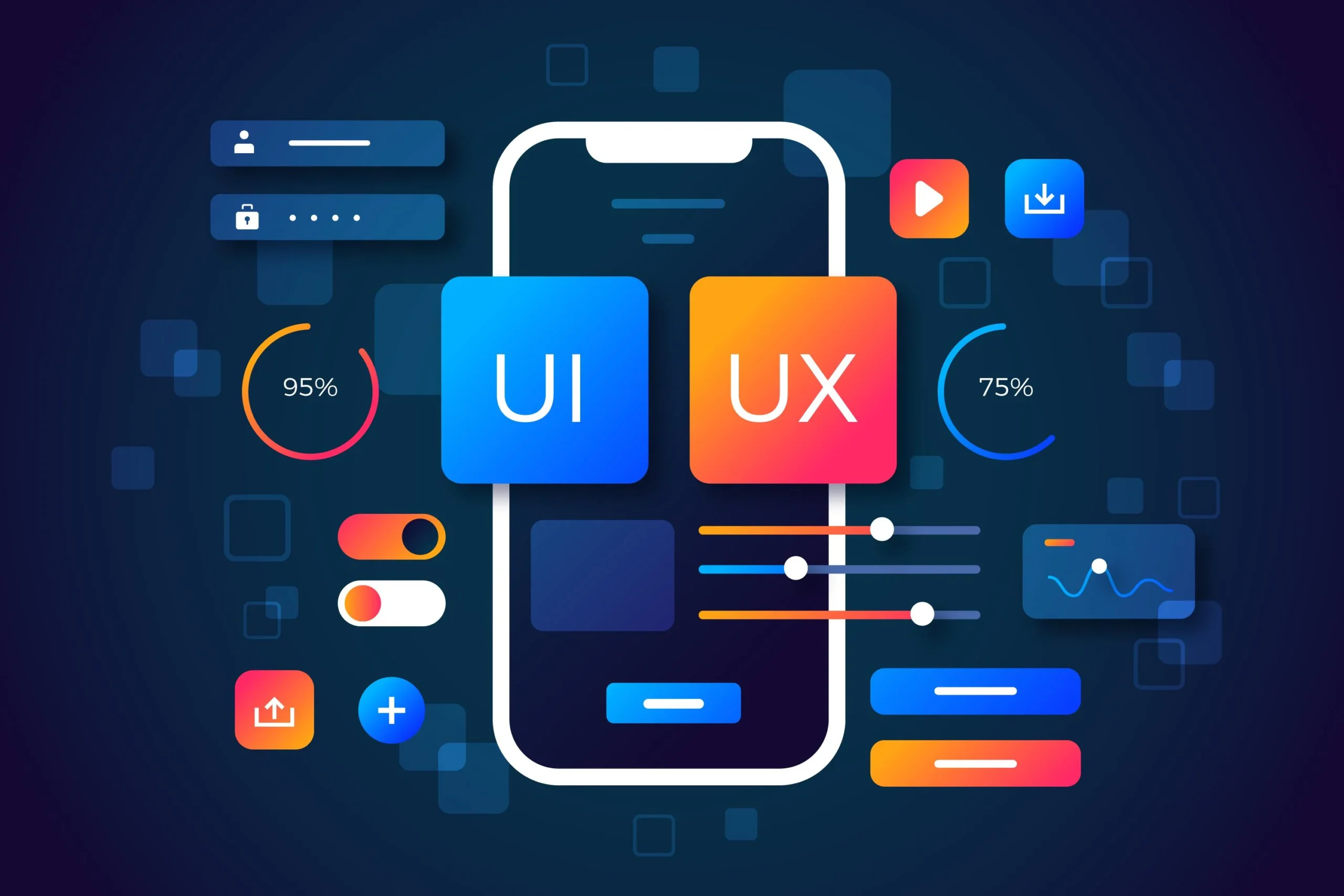
Discover how strong UI/UX design can make a lasting first impression, improve navigation, boost conversions, and build trust—turning your website into a user-friendly, professional, and engaging experience.
4: Page Speed & Performance
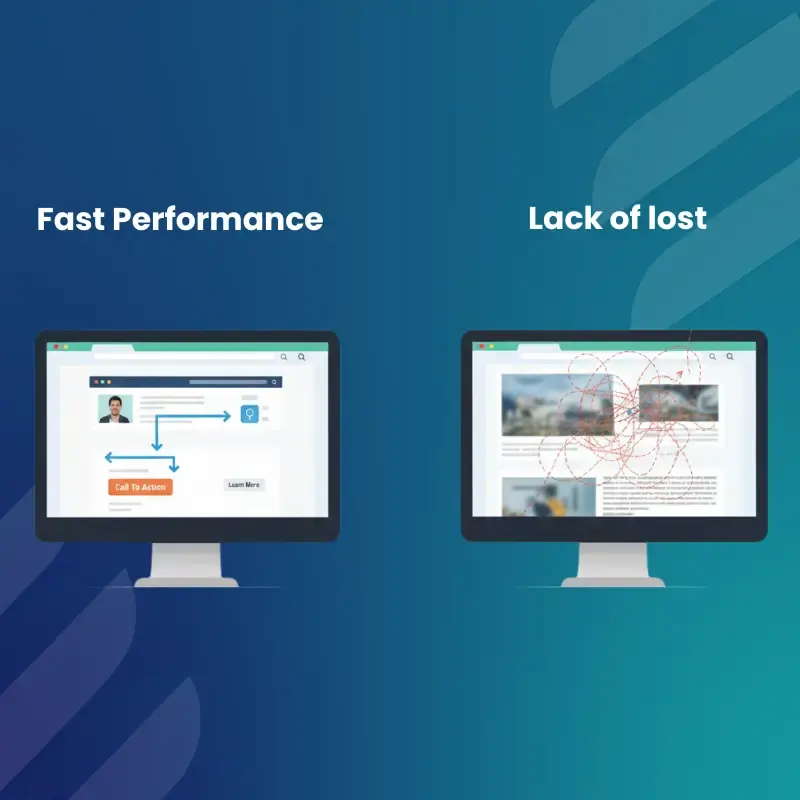
Design elements directly affect how fast your website loads. Heavy visuals, unoptimized images, or excessive scripts can slow performance and frustrate users. Optimizing images, leveraging browser caching, and minimizing CSS/JS files improve website speed and overall user experience. Faster-loading pages keep visitors engaged, reduce bounce rates, and lead to higher conversion rates. A smooth, responsive website also boosts SEO rankings and enhances mobile performance, ensuring your audience stays satisfied across all devices.
5. Test, Review, and Prepare for Launch
Before launching your WordPress eCommerce store, test checkout functionality, payment gateways, mobile responsiveness, site speed, and security features. A well-tested site ensures a smooth launch, better SEO rankings, improved user experience, and a seamless online shopping experience for your customers.
Conclusion
A well-designed website is more than just aesthetics—it’s a strategic tool that drives user engagement, builds trust, and boosts conversions. By focusing on first impressions, visual hierarchy, user experience, page speed, and thorough testing, you create a website that not only attracts visitors but also converts them into loyal customers.